Understanding the psychological triggers behind gambling decisions
The allure of risk and reward
The thrill of gambling often stems from the inherent risk and potential reward involved. Many individuals are drawn to the possibility of a substantial payout, which can ignite excitement and a sense of adventure. This anticipation activates the brain’s reward pathways, releasing dopamine and creating feelings of pleasure. As a result, even small wins can reinforce the gambling behavior, leading to repetitive engagement. Those interested might find the best non gamstop casinos uk appealing for their unique offerings.
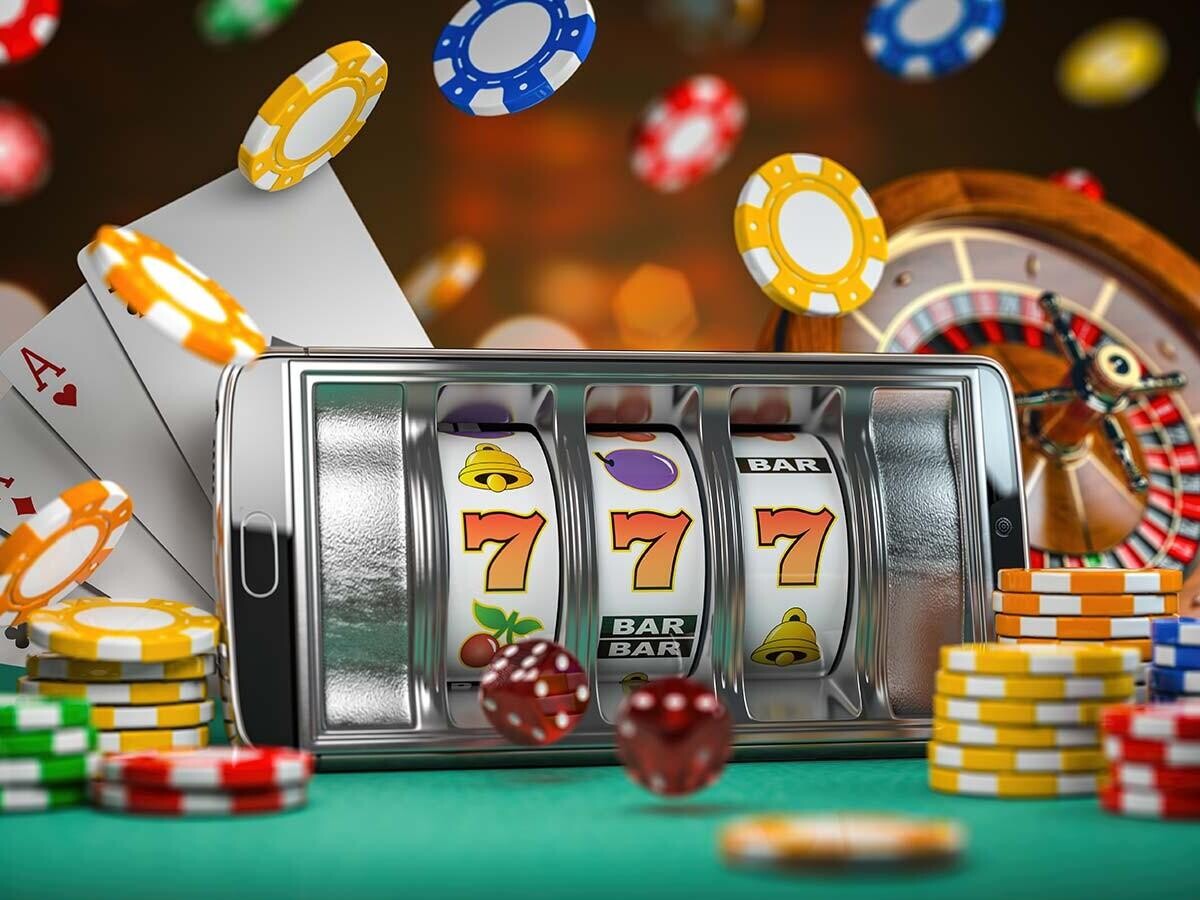
This psychological pull is closely linked to the concept of variable reinforcement, where the unpredictability of rewards can make the experience even more compelling. The unpredictable nature of outcomes in gambling environments, such as slot machines or card games, can keep players on the edge of their seats, making it difficult to resist the urge to continue playing.
Cognitive biases in gambling
Cognitive biases significantly influence gambling decisions, often leading players to make irrational choices. One common bias is the illusion of control, where individuals believe they can influence outcomes through their actions. For instance, a player may think that their strategy in a card game gives them an edge, even though the game is fundamentally governed by chance.
Another prevalent bias is the gambler’s fallacy, which is the belief that past outcomes affect future results. A player may feel that a winning streak is bound to continue or that a losing streak will inevitably end. These biases can skew rational judgment, causing gamblers to make decisions based on flawed perceptions rather than statistical realities.
The role of emotions in gambling
Emotions play a critical role in gambling decisions. Many individuals gamble to escape negative feelings or to enhance positive ones. For some, the excitement of placing a bet can be a temporary distraction from stress or anxiety. This emotional connection can create a cycle where individuals turn to gambling as a coping mechanism, further reinforcing the behavior.
Additionally, feelings of exhilaration during a win can lead to a rush that is highly addictive. This emotional high can overshadow any losses, creating a skewed perspective on the overall gambling experience. As a result, individuals may overlook the financial and emotional consequences of their gambling behaviors.
The influence of social factors
Social influences also significantly impact gambling decisions. Peer pressure and social acceptance can drive individuals to gamble, especially among groups where gambling is normalized or celebrated. This social environment can create a sense of belonging and validation, further motivating individuals to engage in gambling activities.
Moreover, the rise of online gambling has expanded social interactions surrounding betting, with communities forming around various platforms. These interactions can reinforce gambling behavior, as individuals share experiences and strategies, often leading to increased participation and a heightened sense of urgency to gamble.

Explore more about gambling psychology
Understanding the psychological triggers behind gambling decisions is essential for promoting responsible gambling practices. By recognizing the cognitive biases, emotional influences, and social factors at play, individuals can make more informed choices. This awareness can lead to healthier approaches to gambling and ultimately reduce the risk of developing problematic behaviors.
For those interested in exploring the complexities of gambling psychology further, our website offers a wealth of resources and insights. From articles to expert analyses, we aim to foster a deeper understanding of the factors that drive gambling behaviors while promoting safer practices within the gambling community.